



Tell me about yourself beyond your neurodivergence. What are you passionate about? What brings you joy?
I have always been a creative type by nature. I enjoy writing (stories and poetry), music and theater, crafting, and cozy sim gaming.
When did you first realize you might be autistic? Was there a specific moment or was it a gradual understanding?
Prior to my diagnosis, I had wondered about it here and there for years. I was always described as very sensitive, shy, and deeply absorbed in my interests. It wasn't until after becoming a mom, when demands increased substantially, that I became unable to cope (and mask) like I had before. Suddenly, my systems, routines, and quiet lifestyle changed dramatically and all at once. I found myself in burnout and began going down all the research rabbit holes for a solid year or so before seeking out an official diagnosis!
How did you feel when you finally received your diagnosis?
My first reaction was a mix of happiness and relief. Finally, so many things made sense. Learning that I was autistic allowed me to reframe how I viewed so many parts of me. I went from often feeling broken to knowing that I am just differently wired.
After some time processing, I was also struck with a hint of sadness when I thought about how things could have been different for my younger self had I known earlier in life. This was where my passion for spreading awareness about autism in females bloomed!
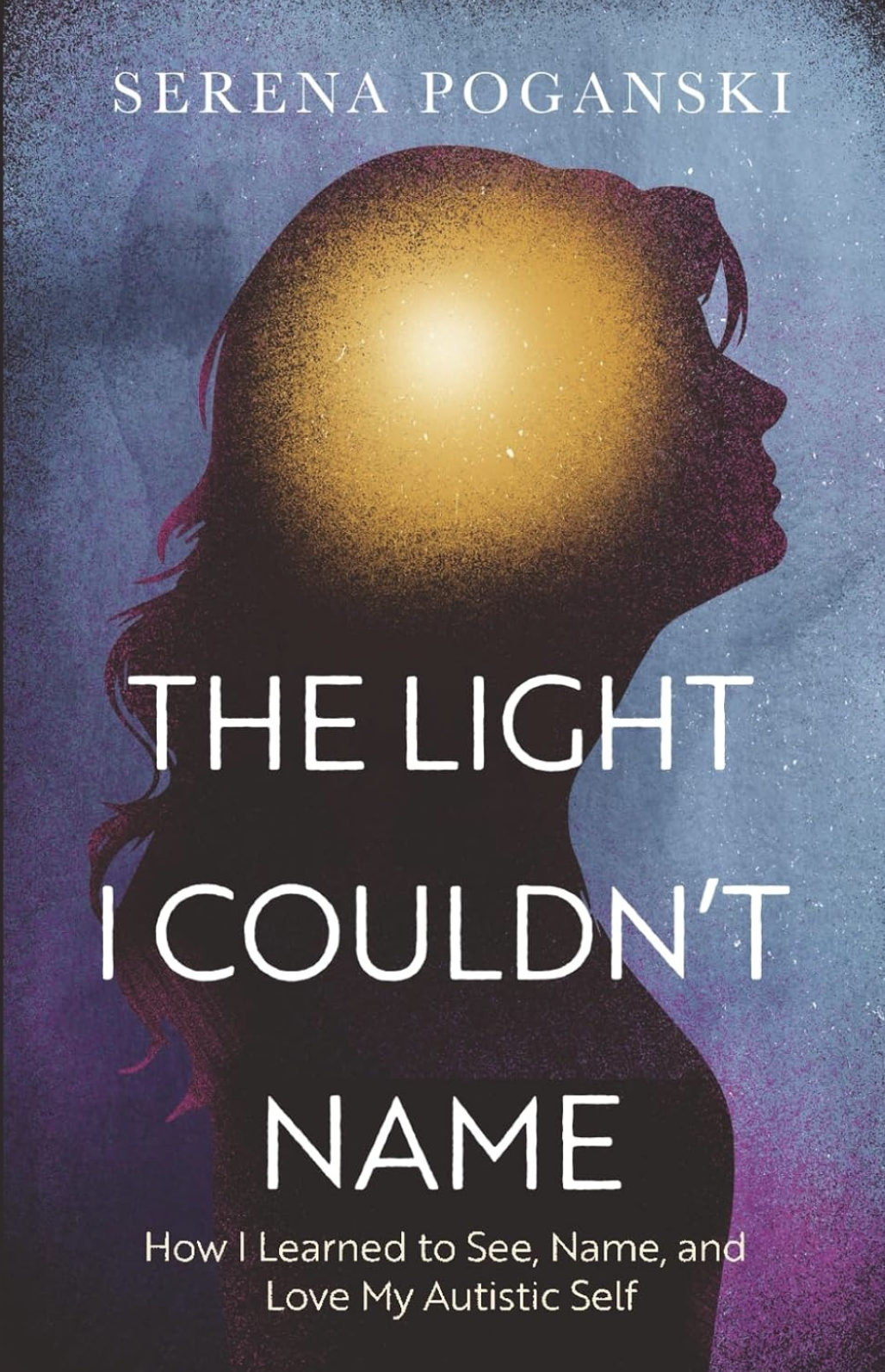
How did your diagnosis impact your life and your work, especially as you began writing The Light I Couldn't Name?
At the time of my diagnosis, I had shifted from working full time to being a stay-at-home mom. Like I said earlier, entering my season of motherhood was rocky and ultimately led me to pursuing my diagnosis. Gaining this new self awareness really allowed me to take better care of myself. I began accommodating my needs and became more forgiving towards myself in moments I felt like I was falling short.
Writing The Light I Couldn't Name was also a big part of processing and healing for me. Since the book goes through my life starting in early childhood and ending with where I am now, I was able to see everything through a new lens. I began writing the book feeling misunderstood–all I wanted was to somehow make the world “get” me! I ended feeling much more whole, with a new realization that I don't need to be fully understood by everyone. What matters is my own reality.
What does a typical day look like for you? How does being autistic influence your daily routines?
Because I thrive with steady routines and predictability, I try to keep many parts of my days the same while allowing for some flexibility. I absolutely love lists and always joke about being a slave to them--if it's on a list, it will likely get done! Without planning, I get disoriented pretty easily. I like to intentionally block out time for activities for my kids and for responsibilities.
I have also learned to better recognize when I am pushing myself too much and need a day to just recharge. This is something that took practice--I used to feel guilty having non-productive days, but now I know that I need to allow it regularly in order to keep going and avoid burnout. This includes being careful not to schedule back-to-back social activities that are cognitively draining for me.
What are some of your unique strengths that you attribute to autism?
I talk about autistic strengths a lot throughout my book, since I find them important to acknowledge alongside the challenges. To name a few: strong memory, pattern recognition, ability to hyperfocus, and vivid sensory experiences. I think what I value the most that I attribute to being autistic is my love for learning! I have always gotten deeply absorbed in my interests, which allows me to retain a lot of information about what I love. My special interests also give me an immense amount of joy. I really don't need much to be happy--just an interest that I am willing to dive deep into!
What challenges do you face that others might not immediately understand?
Because I tend to mask my autistic traits, many of my challenges are not apparent to others. One in particular is navigating social interactions. Most people would never guess how much conscious effort is behind a simple conversation for me. I am almost always consciously aware of how much eye contact I'm making, my facial expressions, the amount of give and take I'm providing, whether I'm asking the “right” follow-up questions, etc. On top of that, I have to work hard to stay focused since I have a hard time filtering out everything else going on around me. (Think of being unable to block out side conversations and background music while conversing at a busy restaurant.)
How do you navigate environments that weren’t designed with autistic people in mind (workplace, social settings, etc.)?
Just a couple of years ago, my method was masking. But after learning about how negatively masking impacts our mental health, I have been taking small steps to unmask and just be me. This means I now use noise-cancelling headphones/earbuds as needed and carry fidgets in my bag daily. I have learned to recognize when I need a quiet moment alone and instead of pushing through, I excuse myself and take a breather. Just these few simple things have helped a lot!
How has being autistic affected your relationships—with family, friends, or colleagues?
There are definitely misunderstands at times--usually just because my communication style and/or social needs don't always match others’ expectations. At the same time, I really value deeper connections and honesty, which has made the close relationships that I do have very special.
Have you found community with other autistic people? If so, what has that meant to you? If not, why not?
Absolutely--and it has meant so much to have been able to connect with likeminded people while we all travel on similar journeys. I am very active on TikTok, where I discuss all sorts of topics related to being neurodivergent. As silly as it may sound to some people, it truly feels like a place where I belong–the people in this community have been able to relate to me, encourage me, and support my projects from a place of deep understanding!
What do you wish people understood about your late-diagnosis experience in particular?
I want people to understand how beneficial it was for me to finally be able to define what has been my experience for so long. Having a “label” doesn't hold me back--it allows me to understand my brain, practice self compassion, and most importantly, take better steps to care for myself so that I can thrive.
What tools, strategies, or accommodations have been most helpful for you that you learned about after your late-diagnosis?
Scheduling more intentionally (for example, spacing out social outings so that there are rest days in between each), using noise-cancelling headphones/earbuds, and practicing ground techniques to be more in touch with my body and in turn, what my body needs.
How do you handle difficult days or times when you’re struggling?
If I'm being honest, I am very much a work in progress! There are days when everything seems to sneak up on me before I even get a chance to use my self-regulation tools. Shutdowns and meltdowns happen and on those days, the best thing I can do is ride them out and try to be gentle with myself afterwards. I am slowly getting better at recognizing when I feel dysregulation coming on and need to take a break and use my tools. It all begins with being in touch with the body and mind. It's not easy, but I am getting better and better!
What role has self-advocacy played in your life? What are some ways you advocate for yourself?
I am working on speaking up for myself more. I have a long history of people pleasing and going along with what everyone else wants while trying hard to just blend in. I am much more open about my needs than I used to be, and I think my friends and family have a greater understanding of them after reading The Light I Couldn't Name as well. I am generally much better at writing than speaking, so writing really helped me to consolidate everything more clearly, rather than trying to explain when I am overwhelmed.
What misconceptions about autism do you encounter most often?
That autism has a look. The media really focuses on representing one very specific, narrow presentation of autism, but it can show it in so many different ways. Autism is an internal experience that can manifest through observable behaviors, but some people have the ability to hide their autistic traits. This is where masking comes in. Aside from that, each autistic person experiences autistic traits differently--some of us struggle more socially than others; some of us struggle immensely with change and others not as much; some of us crawl into ourselves and mask, while others are expressive and outgoing. Long story short, there is no “look.”
If you could change one thing about how society views autism, what would it be?
I'd change the idea that autism is something to fix. Instead, I'd like society to focus more on acceptance, providing accommodations, and valuing autistic perspectives.
What advice would you give to someone who has just received a late autism diagnosis?
See this as an opportunity to know yourself better! You aren't broken, just wired differently--and that's okay. Also, give yourself time. It's a lot to process and it's okay to feel however you may feel at first. Moving forward, think of it as a chance to reframe: instead of asking, “What's wrong with me,” start asking, “What do I need?”
What advice would you give to parents, teachers, or employers who want to be more supportive?
Listen to autistic voices and believe our experiences. Support looks like curiosity, respect, and being willing to make reasonable adjustments to the environment in order to help the autistic person be the best version of their autistic self.
What are your hopes for the future regarding autism acceptance and understanding?
I hope that more people seek to understand what autism is on a larger scale than one specific representation. I definitely hope for more research on autism in girls and women specifically! I truly feel that education is the key to understanding, and in turn, effective support.
Is there anything else you’d like to share that we haven’t covered?
I'd just like to add that I explore many of these topics more in depth in my book, where I share my journey from childhood, to diagnosis, to present. I hope it can be helpful to other late-diagnosed autistic adults (or those just trying to figure it out), their friends, family, or anyone wanting to better understand autistic perspectives.
Last update: 07/22/26
.svg)


